
By UpdateSTL.com • August 2026• 15–17 min read
Last reviewed: August 2026
The first contractor gives a price that feels surprisingly low.
The second asks more questions and takes longer to respond.
The third brings drawings, allowances, insurance information, a detailed scope, and a price that is higher than the first.
Which one is the better choice?
The answer is not hidden in the total at the bottom of the page.
A remodeling proposal is a package of assumptions. It reflects what the contractor believes is being built, which materials are included, who is responsible for permits, how the work will be scheduled, what happens when conditions change, and how the project will be managed inside an occupied home.
Two proposals with different prices may not describe the same project.
One may exclude painting, disposal, electrical upgrades, permit fees, floor repair, or appliance installation. One may use basic allowances while another carries the finish level shown in the homeowner's inspiration photographs. One may be an estimate based on a conversation. Another may be built from drawings and a written scope.
Hiring the right home remodeling contractor is therefore not a contest to find the lowest number.
It is a process for determining which team understands the project, can document the work, communicates clearly, manages risk responsibly, and is qualified for the actual scope.
The lowest bid is not always the least expensive project.
Define the Project Before Evaluating the Contractor
It is difficult to compare contractors when the project is still undefined.
Before requesting final bids, identify:
- Rooms or exterior areas included
- What remains
- What is removed
- What moves
- Structural changes
- Plumbing, electrical, HVAC, or gas changes
- Desired level of finish
- Material allowances
- Permit expectations
- Owner-purchased items
- Project priorities
- Target budget
- Desired timeline
A contractor can help develop the scope. The homeowner should still understand whether the proposal is pricing a cosmetic update, a pull-and-replace remodel, or a structural reconfiguration.
Read What Does Level of Finish Mean in a Remodel? before comparing prices. A bid carrying stock cabinets and laminate counters is not directly comparable to one carrying semi-custom cabinets, quartz, layered lighting, and detailed trim.
Decide What Kind of Team the Project Needs
The word “contractor” can describe several business models.
Specialty Contractor
Focuses on one trade or scope — roofing, flooring, cabinets, electrical work, plumbing, or painting. This can be appropriate for a clearly defined single-trade project.
General Contractor
Manages a broader construction scope and coordinates multiple trades. This may be appropriate for kitchens, bathrooms, additions, basements, exterior renovations, and multi-room work.
Design-Build Team
Combines or coordinates planning, design, budgeting, permits, and construction through one process. This can reduce handoff gaps when the company has qualified people for the required design and technical work.
Architect-Led or Designer-Led Team
Some complex projects begin with an architect or designer and are later priced by contractors. This can work well when the homeowner wants independent design or when significant structural, envelope, or zoning issues must be solved before bidding.
The best model depends on the project.
A cabinet replacement does not need the same team as a two-story addition. A bathroom finish update does not need the same documentation as a wall removal and main-floor reconfiguration. For that kind of work, see Open Kitchen Concept Design Ideas.
Begin With Recommendations — but Do Not Stop There
Personal recommendations can help create a starting list.
Ask friends, neighbors, design professionals, suppliers, or trusted trades about:
- Work quality
- Communication
- Cleanliness
- Schedule management
- Change-order handling
- Warranty response
- Whether the final cost matched the documented scope
- Whether they would hire the company again
Then verify independently.
A good experience on a small deck does not automatically qualify a company for a structural addition. A contractor who performs excellent high-end work may not be the right fit for a budget refresh. A recommendation should match the project type.
Verify the Business Exists
Confirm basic company information:
- Legal or registered business name
- Physical or reliable business address
- Phone number
- Email domain
- Website
- Length of operation under the current name
- Names of the people responsible for the project
- Business-license or registration requirements applicable to the municipality
- Trade licenses required for electrical, plumbing, mechanical, or other regulated work
In the City of St. Louis, construction contractors are subject to City business-license requirements, and regulated trade permits are issued through licensed or certified contractors under the applicable process. Other cities and counties may use different systems, so verify the registrations, business licenses, trade licenses, and permit requirements that apply in the project's actual municipality.
Do not assume a verbal statement that someone is “licensed” answers every question.
Ask:
Licensed or registered for what, by whom, and for which work?
Then verify with the relevant authority.
Request Proof of Insurance
Insurance does not guarantee good work. It is still an important risk-control question.
Ask for current evidence of coverage appropriate to the company and project, which may include:
- General liability insurance
- Workers' compensation coverage where applicable
- Commercial auto coverage where relevant
- Professional liability coverage for design services where appropriate
Do not rely only on a photocopy that may be old. Request a current certificate or verify coverage through the issuing agent when appropriate.
Ask how subcontractors are insured and managed.
Insurance questions should be resolved before people begin working in the home.
Match Experience to the Actual Project
A contractor may be competent and still not be the right contractor for a particular job.
Ask for examples involving similar:
- Project type
- Home age
- Structural complexity
- Finish level
- Municipality
- Permit process
- Budget scale
- Occupied-home conditions
For a kitchen remodel, ask about cabinet coordination, appliance specifications, countertop templating, ventilation, and temporary kitchens.
For a bathroom, ask about waterproofing, tile layout, shower glass, ventilation, and plumbing.
For an addition, ask about foundations, structural design, roofing, exterior integration, zoning, and weather protection.
For aging-in-place work, ask about curbless showers, clearances, lighting, entries, and long-term usability.
A portfolio should show more than attractive finished photographs. It should demonstrate relevant problem-solving.
Talk to References With Better Questions
Do not ask only, “Were you happy?”
Ask:
- Was the original scope clear?
- Did the team start when expected?
- Were workers present consistently?
- How were changes priced and approved?
- Did the contractor communicate delays?
- Was the home protected from dust and damage?
- Were permit and inspection responsibilities clear?
- Did the company resolve punch-list items?
- Did the final cost match the signed scope plus approved changes?
- Did any issue appear after completion, and how was it handled?
- Would you hire the same company for a larger project?
References are most useful when the project resembles yours and was completed recently enough to reflect the current team.
Read Reviews Critically
Reviews can reveal patterns, but they require judgment.
Look for repeated themes:
- Communication
- Attendance
- Quality
- Cleanliness
- Change orders
- Scheduling
- Warranty response
- Billing
- Permit handling
A company with only perfect one-sentence reviews may not be more reliable than one with detailed, mixed feedback and thoughtful responses.
Consider how the contractor responds to criticism. Defensive attacks, disclosure of private client information, or refusal to address the substance can be warning signs.
Also search the company name with terms such as “complaint,” “lawsuit,” “scam,” or “review,” while remembering that an allegation is not the same as a verified finding.
Compare Written Proposals, Not Verbal Numbers
The Federal Trade Commission advises homeowners to get multiple written estimates and not automatically choose the lowest bidder. A useful proposal should identify enough information to understand what is being priced.
Look for:
- Project address
- Scope of work
- Plans or exhibits being used
- Demolition
- Materials
- Allowances
- Labor
- Permits
- Disposal
- Site protection
- Owner responsibilities
- Contractor responsibilities
- Exclusions
- Estimated schedule
- Payment terms
- Change-order process
- Warranty information

A one-page total may be appropriate for a very small, simple task.
It is rarely enough for a complex remodel.
Make the Bids Comparable
Before comparing totals, create an apples-to-apples checklist.
Scope
Are the same walls, rooms, systems, repairs, and finishes included?
Cabinets
Are they stock, semi-custom, or custom? Are panels, moldings, hardware, installation, and accessories included?
Countertops
What material, thickness, edge, backsplash, sink cutouts, seams, and installation assumptions are included?
Plumbing and Electrical
Are relocations, new circuits, fixtures, and permit work included?
Flooring and Paint
Does the scope include repair of adjacent areas and final coatings?
Permits and Engineering
Who prepares drawings, applies, responds to comments, pays fees, and schedules inspections?
Cleanup
Does the proposal include debris removal, daily cleanup, final cleaning, and protection?
If the scopes differ, the prices should differ.
Ask Why the Prices Are Different
A large price spread deserves explanation.
Possible reasons include:
- Different scope
- Different finish level
- Missing work
- Different allowances
- Different labor assumptions
- Better or worse planning
- Company overhead and project management
- Different insurance or employment structures
- Different warranty and service
- Different schedule commitments
- A mistake
The lowest number may contain an opportunity.
It may also contain omissions.
The highest number may include unnecessary upgrades.
It may also include work the others missed.
Ask each contractor to explain the basis of the price without disclosing another bidder's proprietary information.
Understand Allowances
An allowance is a budget placeholder for an item not finally selected.
Common allowances include:
- Cabinets
- Countertops
- Appliances
- Tile
- Flooring
- Plumbing fixtures
- Lighting fixtures
- Hardware
- Mirrors
- Shower glass
Ask:
- Is the allowance material-only or installed?
- Does it include tax, delivery, waste, and accessories?
- What example product fits the allowance?
- What markup or fee applies if the selection exceeds it?
- What happens if the selection costs less?
An allowance set unrealistically low can make a proposal look attractive and produce predictable increases later. Material choices drive those numbers — see Best Material for Kitchen Countertops: 2026 Comparison for how surface decisions move a budget.
Review the Contract Carefully
This section is general consumer education, not legal advice. Contract requirements vary, and homeowners should obtain legal advice for significant questions. No checklist can eliminate every project risk.
A remodeling contract may need to address:
- Complete names and addresses
- Project location
- Detailed scope
- Plans and specifications
- Price or pricing method
- Allowances
- Payment schedule
- Start and completion expectations
- Delays and extensions
- Change orders
- Permits
- Insurance
- Site access
- Working hours
- Utilities
- Cleanup
- Owner-purchased materials
- Warranty
- Dispute procedures
- Termination
- Required notices
Do not sign a document with blank spaces or promises that exist only in conversation.
The FTC specifically recommends that verbal promises about scope, labor, materials, and cost be included in the written agreement.
Evaluate the Payment Schedule
A payment schedule should relate to the project, procurement, and completed milestones.
Be cautious when someone:
- Demands the full project price up front
- Insists on cash only
- Pressures immediate payment
- Requests payment to an unrelated person
- Cannot explain how deposits are used
- Demands a final payment before agreed work or inspections are complete
The Missouri Attorney General and FTC both warn consumers about large prepayments, cash demands, and pressure tactics.
Reasonable deposits and progress payments vary by project. Custom cabinets and other long-lead products may require early procurement payments. The important questions are whether the payment is documented, connected to real work or materials, and handled through a legitimate business process.
Understand Change Orders Before the First Change
A change order should identify:
- What is changing
- Why it is changing
- Added or reduced cost
- Schedule impact
- Payment effect
- Who authorized it
Changes may arise from:
- Homeowner requests
- Hidden conditions
- Code or permit requirements
- Product substitutions
- Design corrections
- Scope omissions
Those are not the same cause.
A strong process distinguishes an owner upgrade from an unforeseen condition and an unforeseen condition from work that should have been included originally.
Do not rely on “We will figure it out later.”
Later is usually more expensive.
Ask Who Manages the Project Every Day
The salesperson may not be the person coordinating construction.
Ask:
- Who is the project manager?
- Who is on site?
- Who has authority to approve changes?
- How often will updates be provided?
- What communication method is used?
- Who schedules subcontractors and inspections?
- Who handles questions after hours?
- Who conducts the final walkthrough?
A clear organization chart can be more valuable than a polished sales presentation.
Ask About the Schedule Honestly
A responsible contractor should explain:
- Preconstruction requirements
- Product lead times
- Permit dependencies
- Expected start window
- Approximate construction duration
- Critical selections
- Work days and hours
- Known schedule risks
- How delays are communicated
Be cautious with an exact completion promise made before the scope, products, permits, and hidden conditions are understood.
Read Before You Ask for Remodeling Bids, Buy Clarity First and, for kitchens, How Long Does a Kitchen Remodel Take?
Confirm Permit Responsibility
The FTC identifies contractors who ask homeowners to obtain required permits as a potential warning sign in scam situations. That does not mean an owner can never legally apply for a permit. It means responsibility should be explicit, and homeowners should understand why the permit is being handled that way.
Ask:
- What permits are required?
- Who prepares the plans?
- Who applies?
- Who pays fees?
- Which licensed trades pull their permits?
- Who schedules inspections?
- Who responds to corrections?
- Who closes the permits?
In the City of St. Louis, a building-permit application may require project plans, and associated electrical, plumbing, or mechanical permits may apply. Requirements vary by project and jurisdiction.
A contractor who says “no permit is needed” should be able to explain the basis and direct the homeowner to the reviewing authority when uncertain.
Ask How the Home Will Be Protected
Remodeling occurs inside a home, not only on a construction site.
Ask about:
- Dust barriers
- Floor protection
- Debris path
- Daily cleanup
- Temporary utility shutdowns
- Weather protection
- Security
- Key or access procedures
- Children and pets
- Material storage
- Dumpster location
- Smoke and carbon-monoxide protection
- Temporary kitchen or bathroom plans
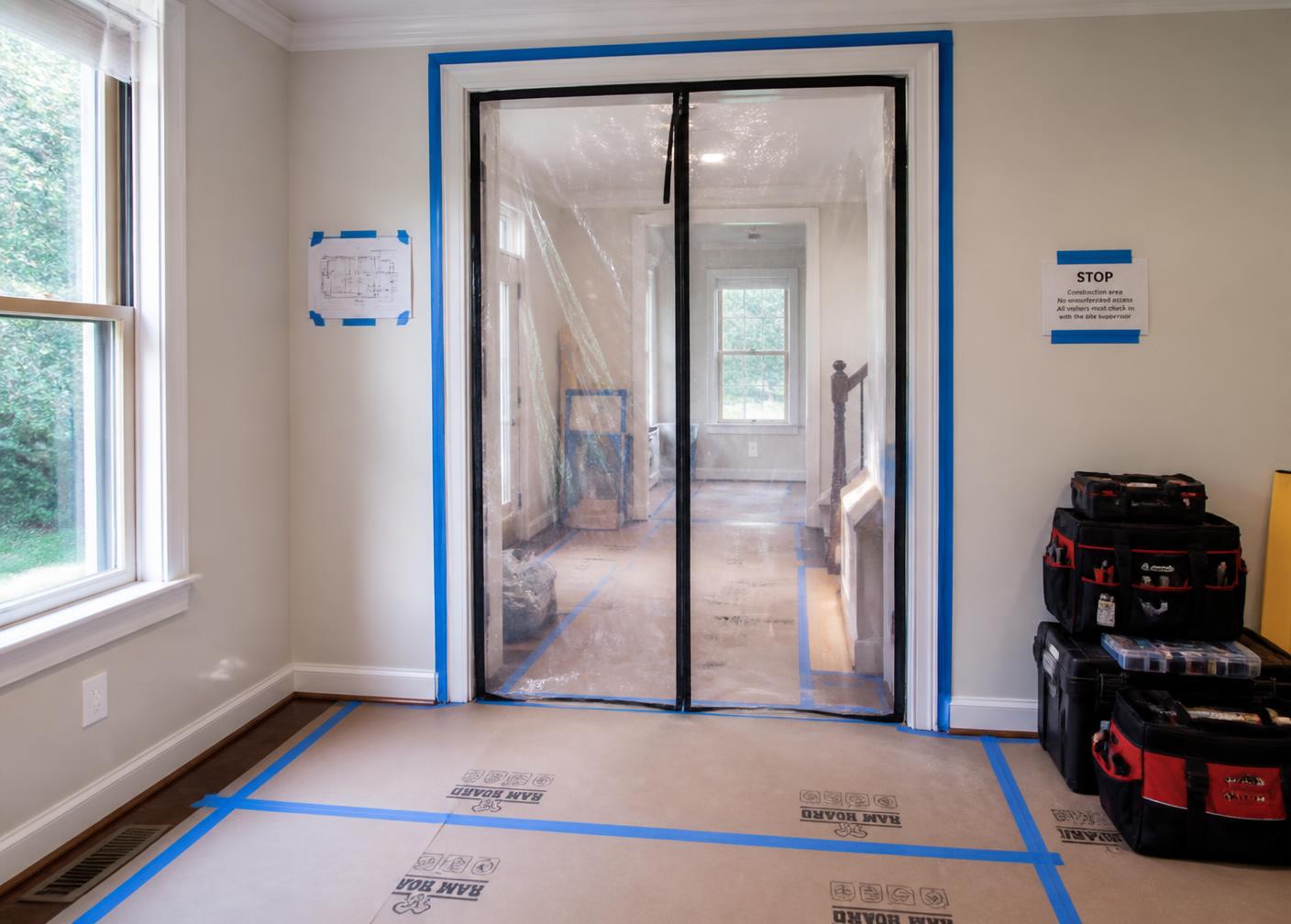
Protection should be part of the scope, schedule, and price.
Ask About Subcontractors
Many remodeling companies use specialty subcontractors. That is normal.
Ask:
- Which trades are employees and which are subcontracted?
- How are subcontractors selected?
- Who supervises them?
- How are insurance and licensing requirements verified?
- Who is responsible for correcting their work?
- Who communicates with the homeowner?
The homeowner should not have to manage every trade unless that is the agreed project model.
Understand Warranty and Closeout
Ask for written warranty information before signing.
Also ask what happens at completion:
- Punch list
- Final inspections
- Lien releases or waivers where appropriate
- Product warranties
- Care instructions
- Paint colors
- Appliance information
- Permit closeout
- Final cleaning
- Service contacts

A warranty is only as useful as the company's ability and willingness to respond.
Ask references how post-completion issues were handled.
Red Flags That Deserve a Pause
Pause when a contractor:
- Appears after a storm and pressures immediate action
- Demands cash up front
- Cannot provide a written scope
- Refuses proof of insurance
- Uses a name that does not match the contract or payment request
- Tells the homeowner not to worry about permits without explanation
- Asks for a blank signature
- Offers an unusually low price with vague details
- Cannot provide relevant project examples
- Refuses to explain allowances
- Will not document changes
- Pressures financing through a preferred lender without comparison
- Has no clear business contact information
- Promises an unrealistic schedule before planning is complete
One concern may have an explanation.
Several together should stop the process.
A Contractor Comparison Scorecard
Print or copy this scorecard and fill in one column per company as the interviews and proposals arrive.
| Category | Contractor A | Contractor B | Contractor C | Notes |
|---|---|---|---|---|
| Relevant project experience | ||||
| Verified business and local requirements | ||||
| Insurance documentation | ||||
| References contacted | ||||
| Scope completeness | ||||
| Plans and specifications | ||||
| Finish-level clarity | ||||
| Allowance quality | ||||
| Permit responsibility | ||||
| Schedule clarity | ||||
| Payment structure | ||||
| Change-order process | ||||
| Project manager identified | ||||
| Home-protection plan | ||||
| Warranty and closeout | ||||
| Communication quality |
Relevant project experience
- Contractor A
- Contractor B
- Contractor C
- Notes
Verified business and local requirements
- Contractor A
- Contractor B
- Contractor C
- Notes
Insurance documentation
- Contractor A
- Contractor B
- Contractor C
- Notes
References contacted
- Contractor A
- Contractor B
- Contractor C
- Notes
Scope completeness
- Contractor A
- Contractor B
- Contractor C
- Notes
Plans and specifications
- Contractor A
- Contractor B
- Contractor C
- Notes
Finish-level clarity
- Contractor A
- Contractor B
- Contractor C
- Notes
Allowance quality
- Contractor A
- Contractor B
- Contractor C
- Notes
Permit responsibility
- Contractor A
- Contractor B
- Contractor C
- Notes
Schedule clarity
- Contractor A
- Contractor B
- Contractor C
- Notes
Payment structure
- Contractor A
- Contractor B
- Contractor C
- Notes
Change-order process
- Contractor A
- Contractor B
- Contractor C
- Notes
Project manager identified
- Contractor A
- Contractor B
- Contractor C
- Notes
Home-protection plan
- Contractor A
- Contractor B
- Contractor C
- Notes
Warranty and closeout
- Contractor A
- Contractor B
- Contractor C
- Notes
Communication quality
- Contractor A
- Contractor B
- Contractor C
- Notes
Do not turn the scorecard into a mechanical point contest. Use it to expose unanswered questions before the contract is signed.
Questions to Ask in the Interview
- What similar projects have you completed?
- Who will manage this project?
- Who will be on site?
- What information do you need before giving a reliable price?
- What is included and excluded?
- What finish level and allowances are assumed?
- What permits and drawings are likely required?
- Who pulls trade permits?
- How do you protect an occupied home?
- How do you communicate progress?
- How are hidden conditions documented?
- How are changes priced and approved?
- What products control the schedule?
- What payments are due and why?
- What warranty is provided?
- How is the punch list managed?
- Can I speak with recent clients?
- What would make this project a poor fit for your company?
That last question is especially useful. A professional should understand the company's limits and ideal project type.
The Bottom Line
The right contractor is not simply the person who can perform construction.
The right team must understand the project, document the scope, coordinate the trades, communicate decisions, manage permits, protect the home, and remain accountable through completion.
A low price cannot compensate for a missing plan.
A polished presentation cannot compensate for weak documentation.
A long list of services cannot compensate for poor communication.
The goal is not to eliminate every possible risk.
It is to choose a team whose process makes the risks visible and manageable.
How UpdateSTL.com Approaches the Planning and Construction Relationship
This is where UpdateSTL.com can help.
UpdateSTL.com, powered by Wehmeier and Son, is built around the idea that a remodel should be understood before it is constructed.
Depending on the project, that may include:
- Existing-condition review
- Drawings and design
- Finish-level planning
- Budget and allowance development
- Permit coordination
- Material planning
- Construction management
- Trade coordination
- Daily communication
- Final walkthrough
The purpose is not to ask homeowners to trust a price they cannot understand.
It is to connect the scope, materials, schedule, permits, and construction responsibilities in one organized process.
Review Kitchen Remodeling St. Louis: The Ultimate 2026 Guide for kitchen-specific planning, try the UpdateSTL project tools, or explore UpdateSTL services and who we are before starting the conversation.
Hiring Questions
How many remodeling bids should I get?
Many homeowners request three written proposals. The number matters less than whether each proposal describes the same scope, finish level, allowances, permits, and responsibilities so the prices can be compared honestly.
Should I automatically choose the lowest contractor bid?
No. The Federal Trade Commission advises getting multiple written estimates and not automatically choosing the lowest bidder. A low number may reflect a smaller scope, thinner allowances, or missing work rather than better value.
How do I verify a contractor in St. Louis?
Verify the registrations, business licenses, and trade licenses that apply in the project's actual municipality, since requirements differ across the City of St. Louis, St. Louis County, and surrounding cities. Confirm the legal business name, insurance, references, and permit process with the reviewing authority rather than relying on a verbal claim.
What insurance should a remodeling contractor have?
Coverage should be appropriate to the company and the project, which commonly includes general liability, workers' compensation where applicable, commercial auto where relevant, and professional liability for design services where appropriate. Request current evidence of coverage rather than an old photocopy.
What should be included in a remodeling contract?
A contract commonly addresses names and addresses, project location, detailed scope, plans and specifications, price or pricing method, allowances, payment schedule, schedule expectations, change orders, permits, insurance, cleanup, warranty, dispute procedures, and termination. This is general information, not legal advice.
Is it normal to pay a deposit?
Reasonable deposits and progress payments are common, and custom cabinets or other long-lead products may require early procurement payments. Be cautious about full payment up front, cash-only demands, and payments to an unrelated person.
Who should obtain remodeling permits?
Responsibility should be explicit in the contract. The FTC treats a contractor asking the homeowner to pull required permits as a potential warning sign in scam situations, so if that is proposed, the homeowner should understand why. Requirements vary by project and jurisdiction.
What is a change order?
A change order documents what is changing, why, the added or reduced cost, the schedule impact, the payment effect, and who authorized it. It distinguishes an owner upgrade from an unforeseen condition and from work that should have been included originally.
How do allowances work in a remodeling bid?
An allowance is a budget placeholder for an item not yet finally selected. Ask whether it is material-only or installed, whether tax, delivery, waste, and accessories are included, what product fits the number, and what happens if the selection costs more or less.
What are the biggest contractor red flags?
Pressure after a storm, cash or full payment demanded up front, no written scope, refusal to show insurance, a name that does not match the contract or payment request, dismissing permits without explanation, blank signature lines, and unrealistic schedules promised before planning is complete.
Keep Planning Before You Sign
Before You Ask for Remodeling Bids, Buy Clarity First
What to measure, plan, select, and budget before contractors price the work.
Read the articleWhat Does Level of Finish Mean in a Remodel?
Why two bids can look completely different for the same room.
Read the articleKitchen Remodeling St. Louis: The Ultimate 2026 Guide
Costs, layout, cabinets, countertops, permits, and planning in one place.
Read the articleHow Long Does a Kitchen Remodel Take?
The full planning and construction timeline, phase by phase.
Read the articleHire the Process, Not Just the Price
Bring us your project ideas, questions, drawings, and budget concerns. We will help define what the project needs before construction begins.
Sources and Further Reading
- Federal Trade Commission, How to Avoid a Home Improvement Scam
- Federal Trade Commission, Home Repair Scams
- Missouri Attorney General, Disaster and Construction-Fraud Guidance
- NARI Homeowner Resources
- City of St. Louis, Construction-Contracting Business License
- City of St. Louis, Building Permits
- City of St. Louis, Permit Section
- City of St. Louis, Plan Exam